


Deadline June 30, 2026
The International New Media Art Competition is the central element of the New Media Week program. The competition is addressed to professional artists and practitioners working in the field of new media art.
This year's theme, Adaptive Breathing, sets the conceptual atmosphere of the competition. Rather than imposing a fixed direction, it opens up a shared field in which artists are invited to explore their own languages, strategies, and imaginaries with full artistic freedom.
Submission DetailsSubmissions may address the following five areas:
- Installations, systems, and environments (e.g. spatial and immersive works, reactive systems, sensor-based installations, generative visual environments, and site-specific works)
- Moving image and visual narratives (video art, 2D/3D animation, motion design, experimental film, and autonomous artistic projections)
- Media performance / live acts (live coding, stage performances using technology, hybrid AV actions with a visual focus)
- Technological objects and media sculptures (material works incorporating technology: kinetic media, robotics, electronics, light, and mechatronics)
- Research projects and tool prototypes (technological experiments, interfaces, hardware/software prototypes, and tools that create new formats for creative practice)
Deadline for submissions: June 30
Shortlist announcement (exhibition finalists): July 22
Artists selected for the final shortlist will be invited to Katowice to present their works as part of the Competition Exhibition.
Awards Ceremony: October 2
Final Exhibition Duration: September 30 – October 11
Awards:
1st Prize – €10,000
2nd Prize – €7,000
3rd Prize – €5,000
Audience Award – €5,000 (The Audience Award will be determined based on surveys completed by exhibition visitors.)
The International New Media Art Competition, established as part of New Media Week, was created to provide a professional platform for presentation, offer production support to artists, and enable audiences to engage with the most innovative forms of contemporary media art.
In order to respect international human rights standards, creators and projects representing the Russian Federation and the State of Israel are excluded from participating in the Competition. Such Projects are considered to be those created by individuals residing in the territories of these states or Projects financed, co-financed, or officially supported by their state and government institutions.
EXHIBITION SHORTLIST
Exhibition Shortlist
The jury has completed its deliberations and selected the works for the New Media Week competition exhibition Adaptive Breathing.
Below is the list of selected projects, presented in alphabetical order by title:
- Anemochory Lennart Lahuis
- BACKUPS OF WAR Marcin Korbus
- Bora: Bora Zhao Zhou
- Fragmentations of Unity So Kanno + Takuro Yonezawa + Yutaro Kyono
- Game of Possible Lives Tomo Kihara
- Navigating Militarized Futures Mark Cinkevich
- Piece for 12 scrollers Gregor Różański
- SARAH Seunghyun Park
- Tempo-imagem Luiz Zanotello
- The Eight Spirits of Flesh TZUSOO
Congratulations to all selected artists.
We will be in touch with the selected artists in the coming days to discuss the next steps and practical details regarding their participation in the exhibition.
Regulations of the International New Media Art Competition
JURY
Michał Grzegorzek
curator · Galeria Studio Warsaw
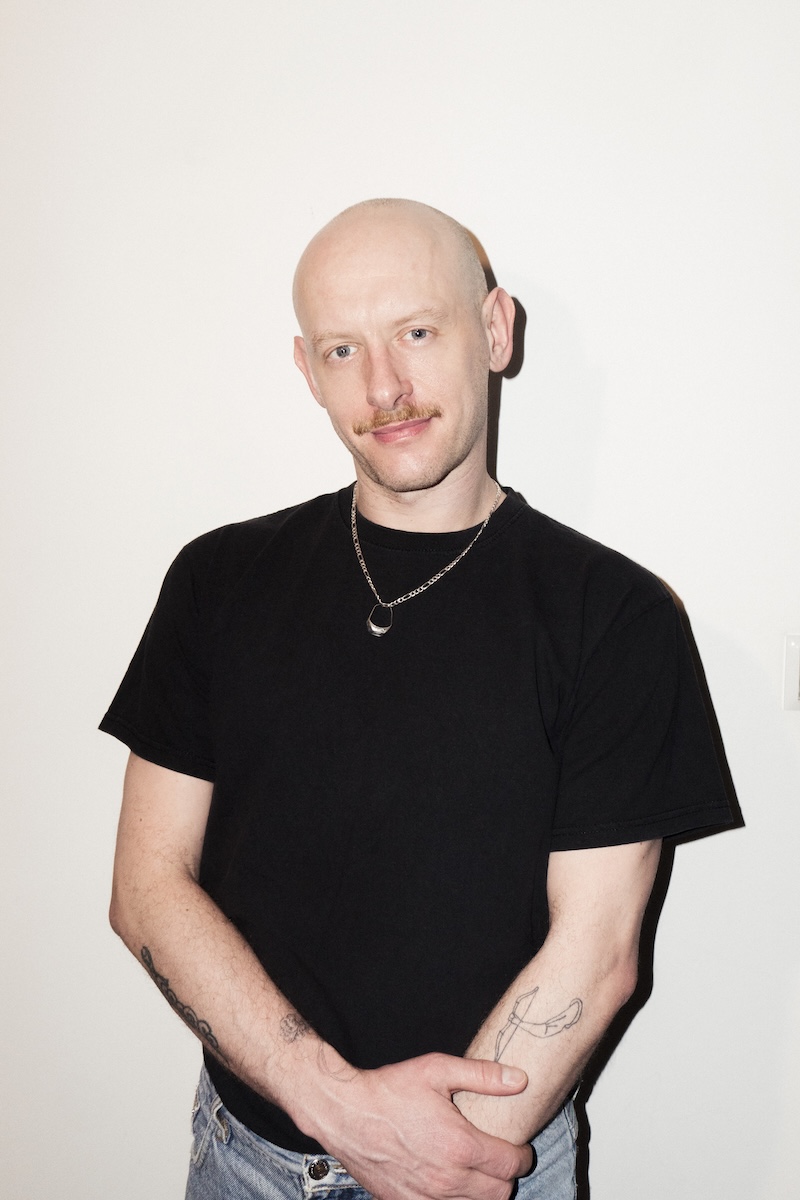
Michał Grzegorzek is a curator and writer on contemporary art, currently Head of Programme at Warsaw's Galeria Studio. His interests focus on practices at the intersection of visual and performative arts, as well as on experimental exhibition formats.
Between 2016 and 2021, he was affiliated with the Centre for Contemporary Art Ujazdowski Castle in Warsaw, where he worked as Curator of Performative Arts. Together with Mateusz Szymanówka, he conducted research on the relationship between contemporary performance and club culture.
He has collaborated with institutions such as Nowy Teatr in Warsaw, the Museum of Modern Art in Warsaw, the Walker Art Center (Minneapolis, USA), CAC Vilnius (LT), Marres – House for Contemporary Culture (Maastricht, NL), and LCCA (Riga, LV). In 2023–2024, he was a resident at the Jan van Eyck Academie (NL).
Since 2022, he has been a co-curator of Kem School — an educational programme dedicated to social choreography, queer perspectives, and feminist practices.
Karolina Hałatek
visual artist
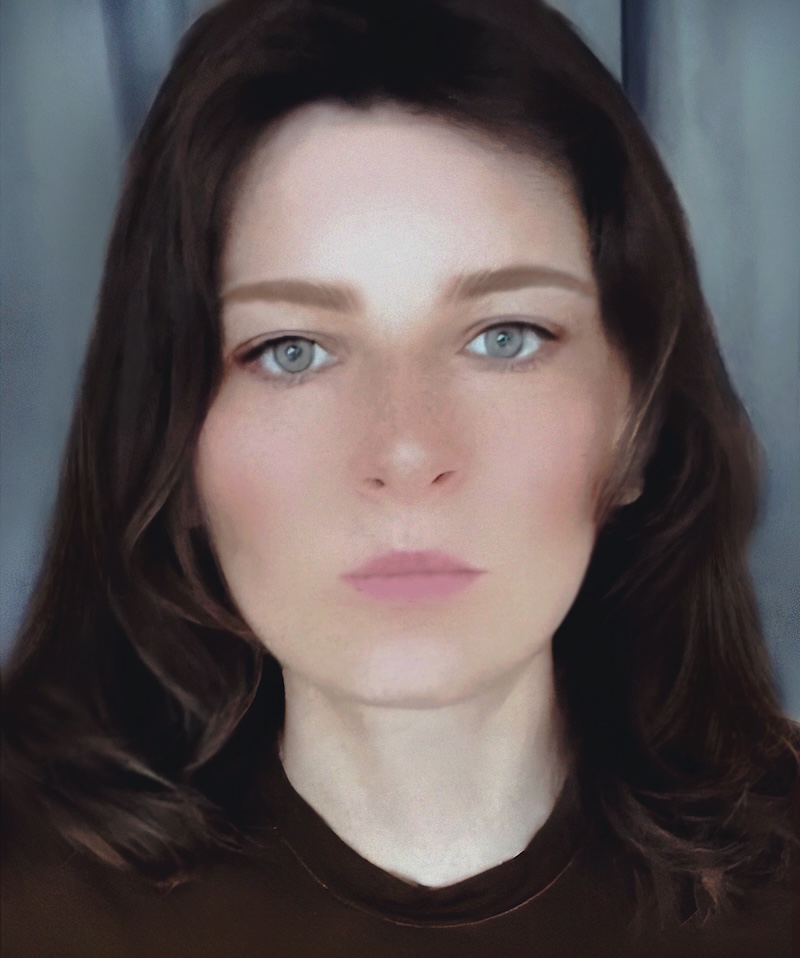
Karolina Hałatek's works are catalysts for experience. Using light as her central medium, she creates site-specific installations that integrate visual, architectural, and sculptural elements.
She studied Design for Performance at University of the Arts London, Fine Arts at UdK Berlin, and Media Art at the Academy of Fine Arts in Warsaw, Poland, and took part in Olafur Eliasson's Institut für Raumexperimente.
Hałatek is a PhD candidate at the Academy of Fine Arts in Krakow and a visiting researcher at the Lighting Lab, Royal Danish Academy in Copenhagen.
Paweł Janicki
Media Artist, WRO Art Center
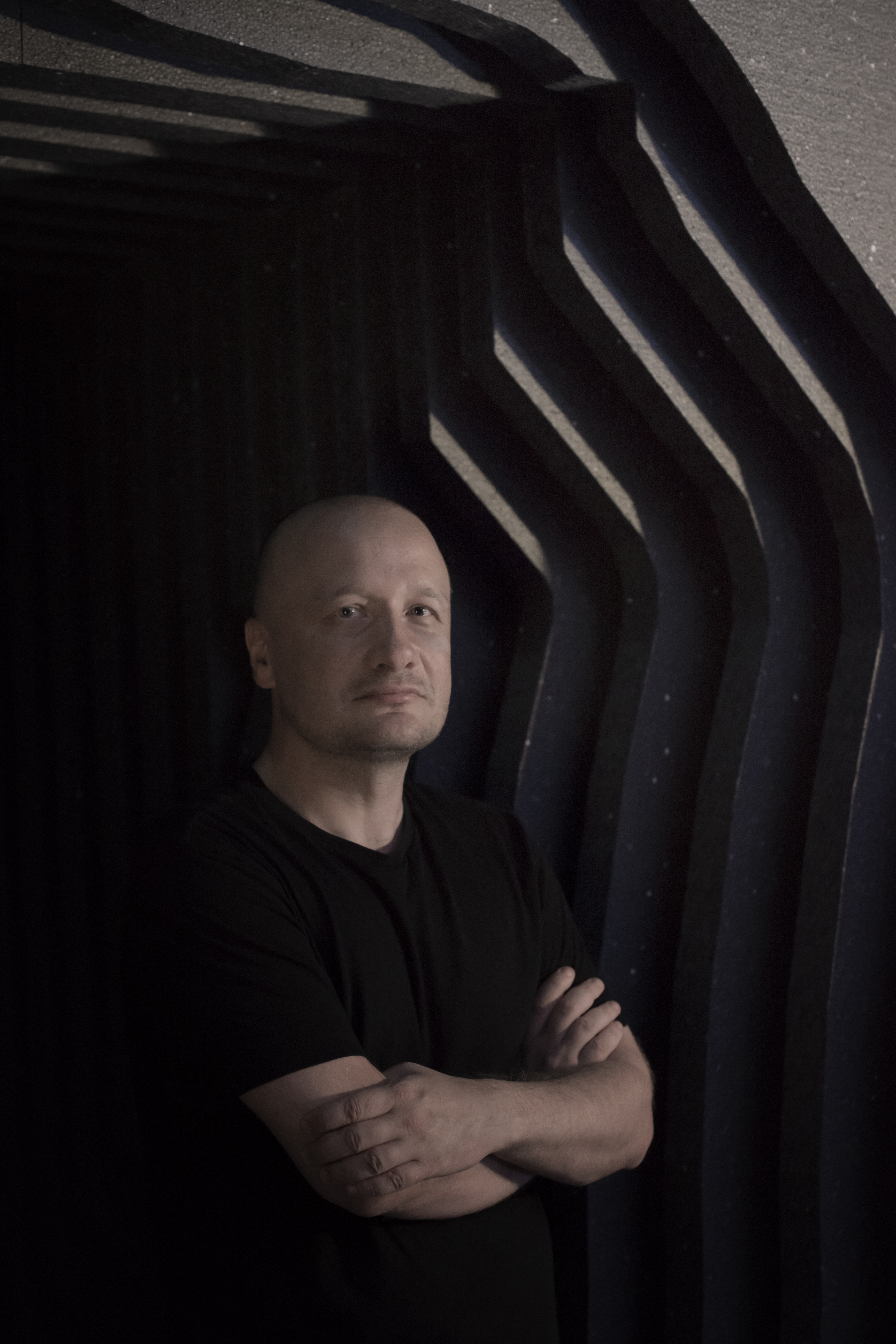
He draws mainly on the achievements of music, contemporary and media art and posthumanist practice but he constructs forms different from the existing ones. He engages a wide spectrum of techniques, approaches and protocols: creates works using synthetic senses, programming techniques, also in the modern, cognitive incarnation, and elements of space and material engineering.
An important role in Janicki's creativity is drawn from historical and current contexts — in particular the perceived history of art and something that could be called the history of thinking. Janicki creates and continuously develops mechanisms and ideas for alternative futures.
Special place in his activity takes developing software according to his own projects, and broadly, creating his own media either sabotaging already existing solutions. In addition to solo activities, Janicki's list of cooperation projects includes groups such as Dæd Bɑɪtz (with A.I. as one of the members), and institutions such as NASA, and in the long-term of the WRO Art Center, in which he implements personal activities, supports and curates project by other artists.
Ksawery Kaliski
Media Artist, Academy of Fine Arts Katowice
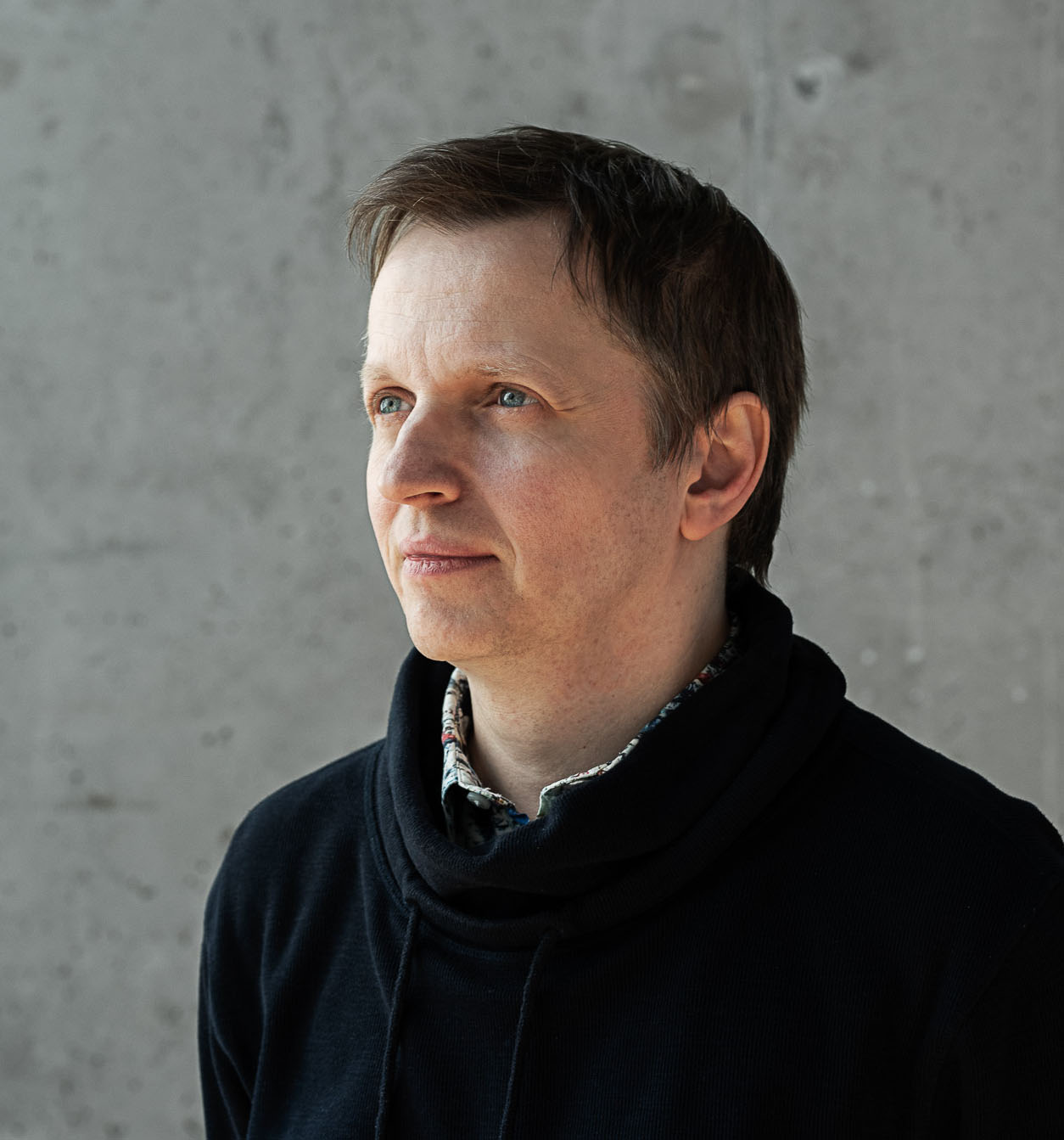
Visual artist, designer, researcher. He works at the intersection of new media art, technology, design, and science, ranging from sculpture to interactive installations. He collaborates with interdisciplinary design teams, creating original interfaces, interactive installations, and multimedia spatial narratives, as well as film title sequences and animations.
He co-created numerous projects of international significance, such as "Poland's Memory – World's Memory" for UNESCO. He is the author of interactive exhibitions in the "Wieliczka" Salt Mine (included on the UNESCO World Heritage List). As part of an international art+science collection, he prepared the installation "EON" for the Copernicus Science Centre. He is a co-author of the spatial mapping for thematic areas of the Pantheon of Upper Silesia in Katowice and the mapping "I WAS/AM HERE" on the occasion of the 150th anniversary of Wojciech Korfanty's birth in Katowice. He also realized title sequences and animations for cinema, including the films Piłsudski, The Scratch, and Happiness of the World.
He is associated with the Academy of Fine Arts in Katowice, where in 2013 he obtained a doctoral degree in arts for the interactive work PR•OR•OK, which utilized artificial intelligence. In 2020, he obtained a postdoctoral degree (doktor habilitowany) in arts. He is a professor at the Academy of Fine Arts in Katowice, Head of the New Media Department, and the originator of the New Media field of study at his home university.
Ksawery Kirklewski
New Media Artist, studio Ksawery Komputery
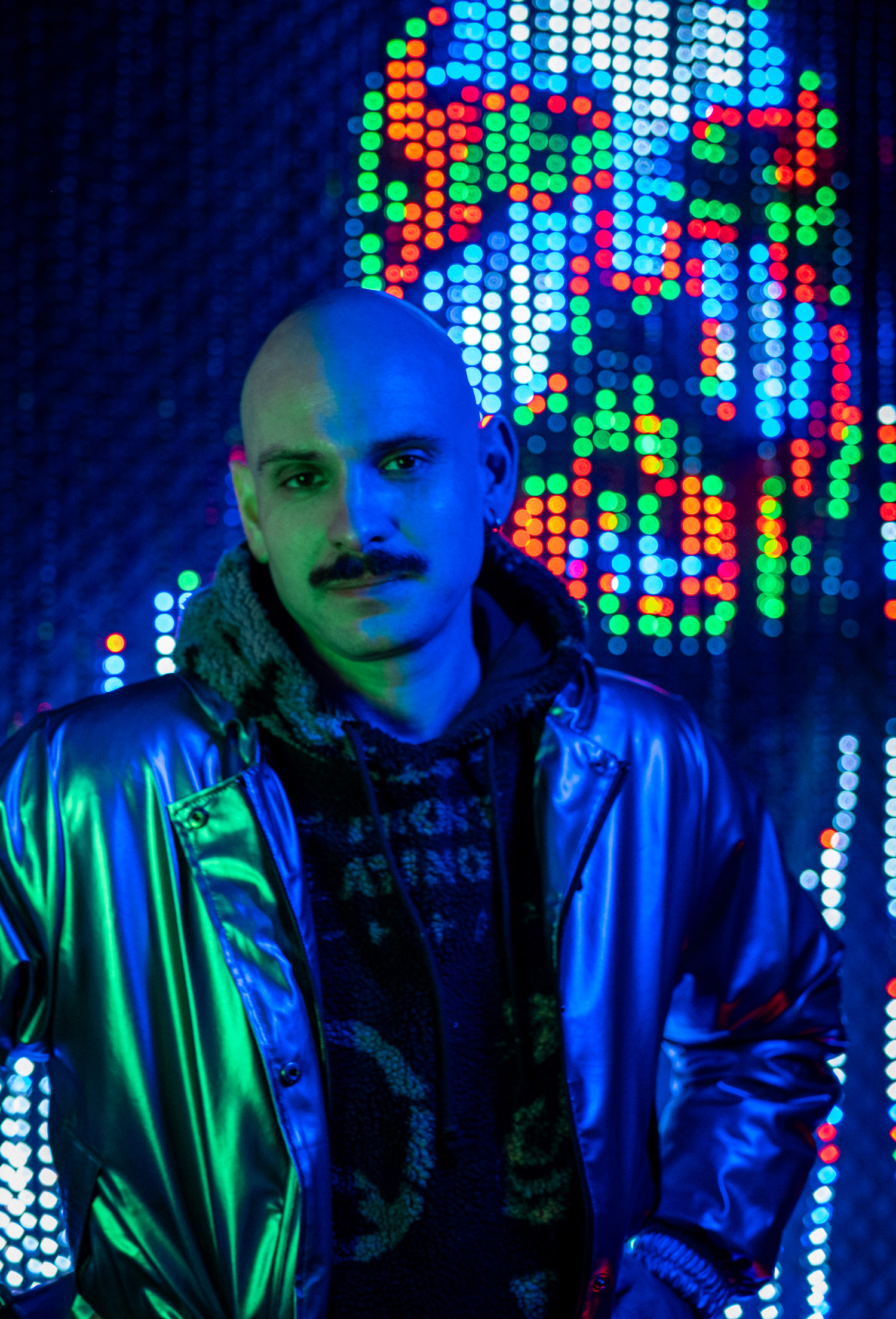
Founder of the Ksawery Komputery studio, he creates interactive installations, audiovisual performances, and generative animations, combining code, light, sound, and original real-time tools.
He graduated from the Faculty of Graphic Arts at the Academy of Fine Arts in Gdańsk; his diploma project, "Banner Exhibition," received the Minister of Culture Award in the Design 32 competition.
His work has been presented at venues including the Nxt Museum, the BLINK Festival, and Noor Riyadh. In recent years, he has also completed projects with Max Cooper, Childish Gambino, and Erykah Badu. He also co-creates the AVX Festival, an event dedicated to audiovisual art and creative technologies.
Norman Leto
Visual Artist, Filmmaker
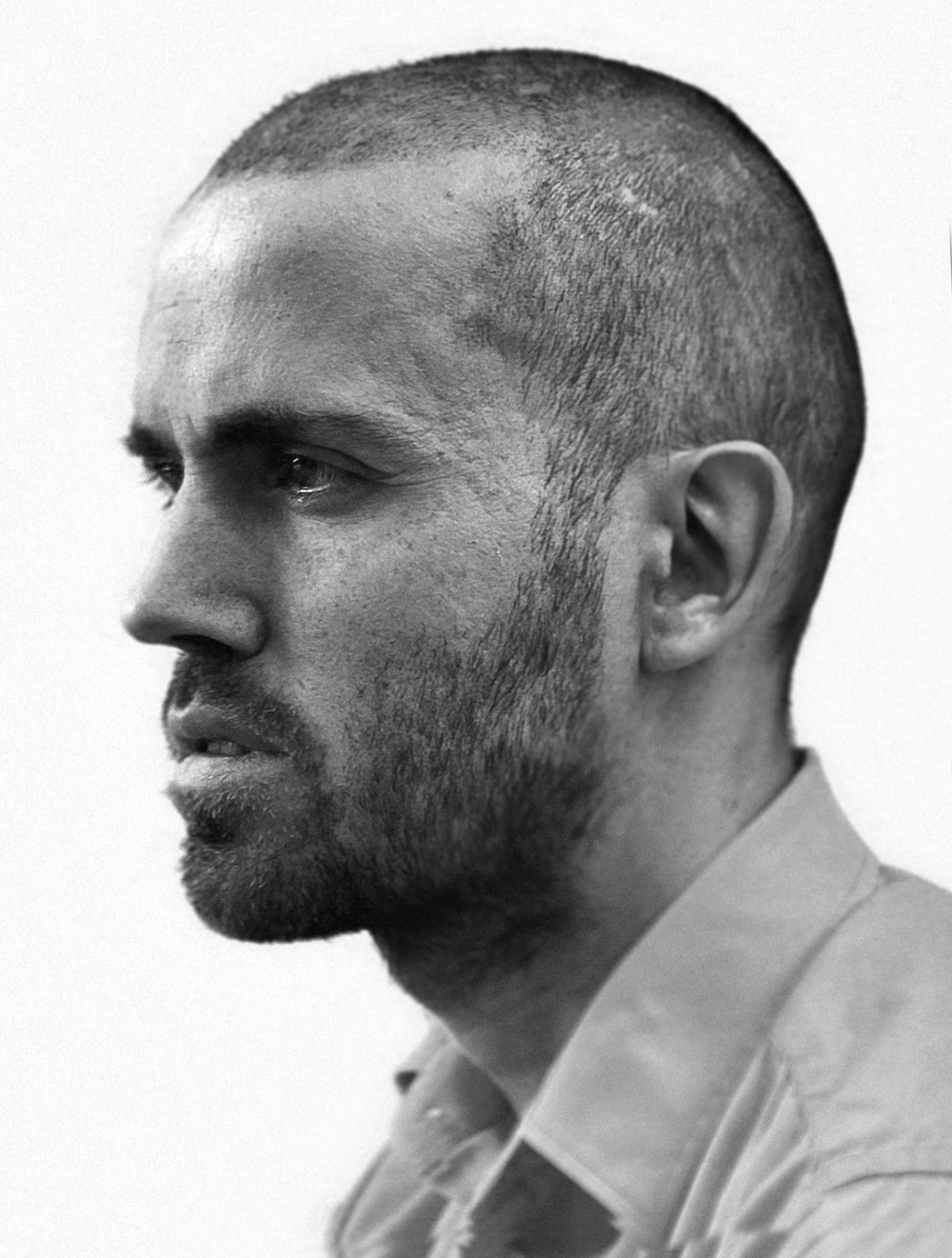
New media creator working at the intersection of painting, animation, film, and technology. A self-taught artist, he began experimenting with digital imagery in childhood, creating drawings and animations on Atari and Commodore Amiga computers. An important influence on his artistic development was his relationship with Zdzisław Beksiński.
Under the pseudonym Norman Leto, he debuted in 2007 with an exhibition at the Centre for Contemporary Art in Warsaw. His practice combines visual art with cinematic narrative and reflections on science, technology, and the human condition.
He is the author of experimental art films, including Sailor and Photon, which have been presented at international art and film festivals such as CPH:DOX, Hot Docs Toronto, and New Horizons. His works are also included in contemporary art collections, including MOCAK. He is currently working on a new film titled Pilot.
Rosa Menkman
New Media Artist
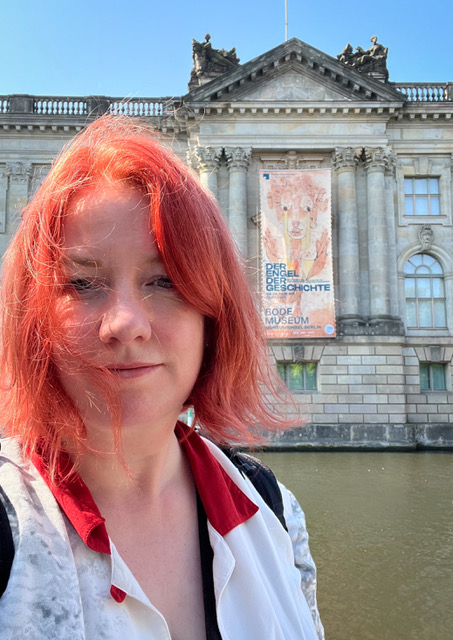
Dutch artist and researcher of resolutions. Her work focuses on noise artifacts resulting from accidents in both analog and digital media. The journey of her protagonist, the Angel of History, inspired by Paul Klee's 1920 monoprint, Angelus Novus, and conceptualized by Walter Benjamin in 1940, functions as a foundational framework for her explorations of image processing technologies. As the machines upgrade, the Angel finds herself caught in the ripple of their distortions, unable to render the world around her.
Complementing her practice, she published Glitch Moment/um (INC, 2011), a book on the exploitation and popularization of glitch artifacts. She further explored the politics of image processing in Beyond Resolution (i.R.D., 2020). In this book, Rosa describes how the standardization of resolutions promotes efficiency, order, and functionality, but also involves compromises, resulting in the obfuscation of alternative ways of rendering.
In 2019, Menkman won the Collide Arts at CERN Barcelona award, which inspired her recent research into im/possible images, consolidated in the im/possible images reader (published by the i.R.D. & Lothringer, with support from V2, 2022).
From 2018 to 2020, Menkman worked as Substitute Professor of Neue Medien & Visuelle Kommunikation at the Kunsthochschule Kassel. From 2023–2025 she ran the IM/POSSIBLE LAB at HEAD Genève.
Günseli Yalcinkaya
Artist, Curator, Writer
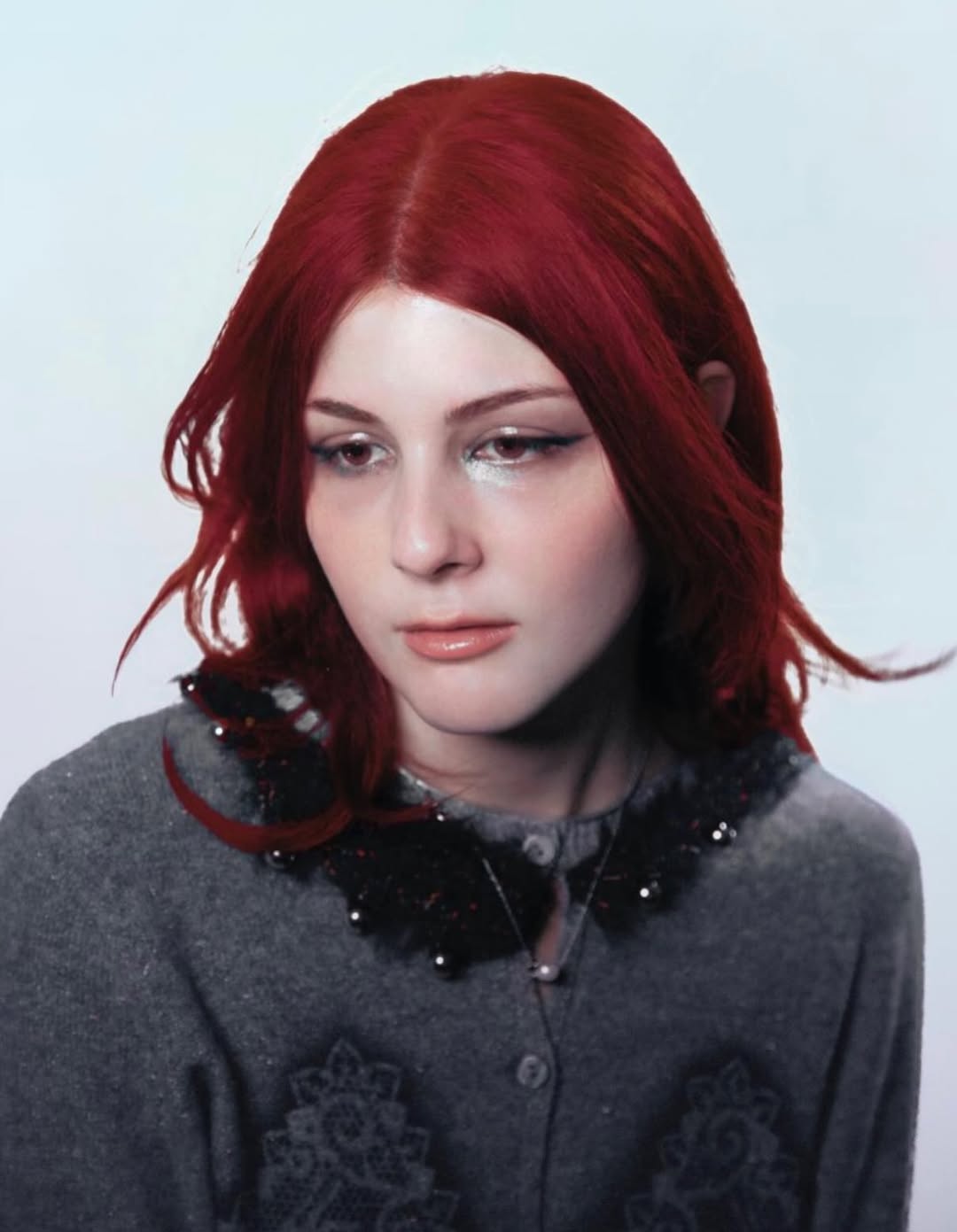
Günseli Yalcinkaya is an artist, curator and writer based in London, whose work explores how technology shapes myth. As Contributing Editor at Dazed Magazine and former External Research Associate at Moth Quantum, Günseli investigates internet folklore, tracking how emerging technologies — from AI to quantum computing — give rise to new ideologies, digital superstitions and collective fantasies.
Her writing has appeared in publications for Aksioma, Ars Electronica, Julia Stoschek Foundation, LAS Art Foundation, HEK Basel among others.
FAQ
1. Can I participate in the Competition?
The Competition is open to professional artists and practitioners working in the field of new media art who are at least 24 years old as of May 4, 2026.
2. Can I submit a diploma project?
No. Diploma projects by graduates of Fine Arts Academies are not eligible.
3. Can I submit any type of project?
Projects must fall within the field of new media art and may include installations, systems, and environments, moving image and visual narratives, media performance / live acts, technological objects and media sculptures, research projects and tool prototypes.
4. When can I submit my project?
Projects can be submitted between May 4 and June 30, 2026.
5. How can I submit my project?
Submissions must be made via the online application form available at newmediaweek.com.
6. What materials do I need to prepare for submission?
You need to provide complete documentation of the project, including a curatorial description, photographic and/or video documentation, a technical and technological description, and information regarding the conditions of presentation, if relevant.
7. Can I submit a project created with AI tools?
Yes. Projects developed with the support of AI tools may be submitted, provided that they meet all other requirements of the Competition and do not infringe any third-party rights. The participant remains fully responsible for the final project.
8. What happens after I submit my project?
All submitted projects first undergo formal pre-selection. Eligible submissions are then evaluated by an international jury, which selects the shortlist for the competition exhibition.
9. Do I have to come to Katowice if my project is shortlisted?
Yes. Shortlisted participants are expected to come to Katowice, take part in the installation and presentation of the project, and attend the award ceremony, unless otherwise agreed with the Organizer in justified cases.
10. Will my travel, accommodation, and artwork transport costs be covered?
Yes. The Organizer covers transport and accommodation costs for participants selected for the competition exhibition. If required, the transport of the artworks will also be covered, under conditions determined individually.
11. Can I count on production and technical support?
Yes. The Organizer provides production support and technological infrastructure necessary for the presentation of selected works.
12. Where will the final exhibition take place?
The final exhibition will be presented at the Silesian Museum in Katowice.